Services Offered
CAE Neeb Plumbing is a dynamic company that has transformed the way plumbing services are perceived and delivered. The range of services offered by CAE Neeb Plumbing is comprehensive, encompassing installation, maintenance, and repair.
Process
Architectural Plan Review - We begin by carefully reviewing and interpreting the architectural plans, utilizing them to design a comprehensive and efficient plumbing system
Collaborative Design
- We work closely with wet services engineers to enhance the design, prioritizing energy efficiency and sustainability
Stakeholder Collaboration - We engage in continuous collaboration with developers and clients, ensuring that the design meets their needs and accommodates any necessary changes
Sanitary Ware Optimization - We ensure that all sanitary ware decisions are supported by adequate water flow, guaranteeing optimal functionality and user satisfaction.
Water heaters
Water heater installation is a critical plumbing service that involves setting up a new water heater system in residential or commercial properties. Proper installation ensures efficient operation and long-term reliability.
Types of Water Heaters
Solar Geyser Installation
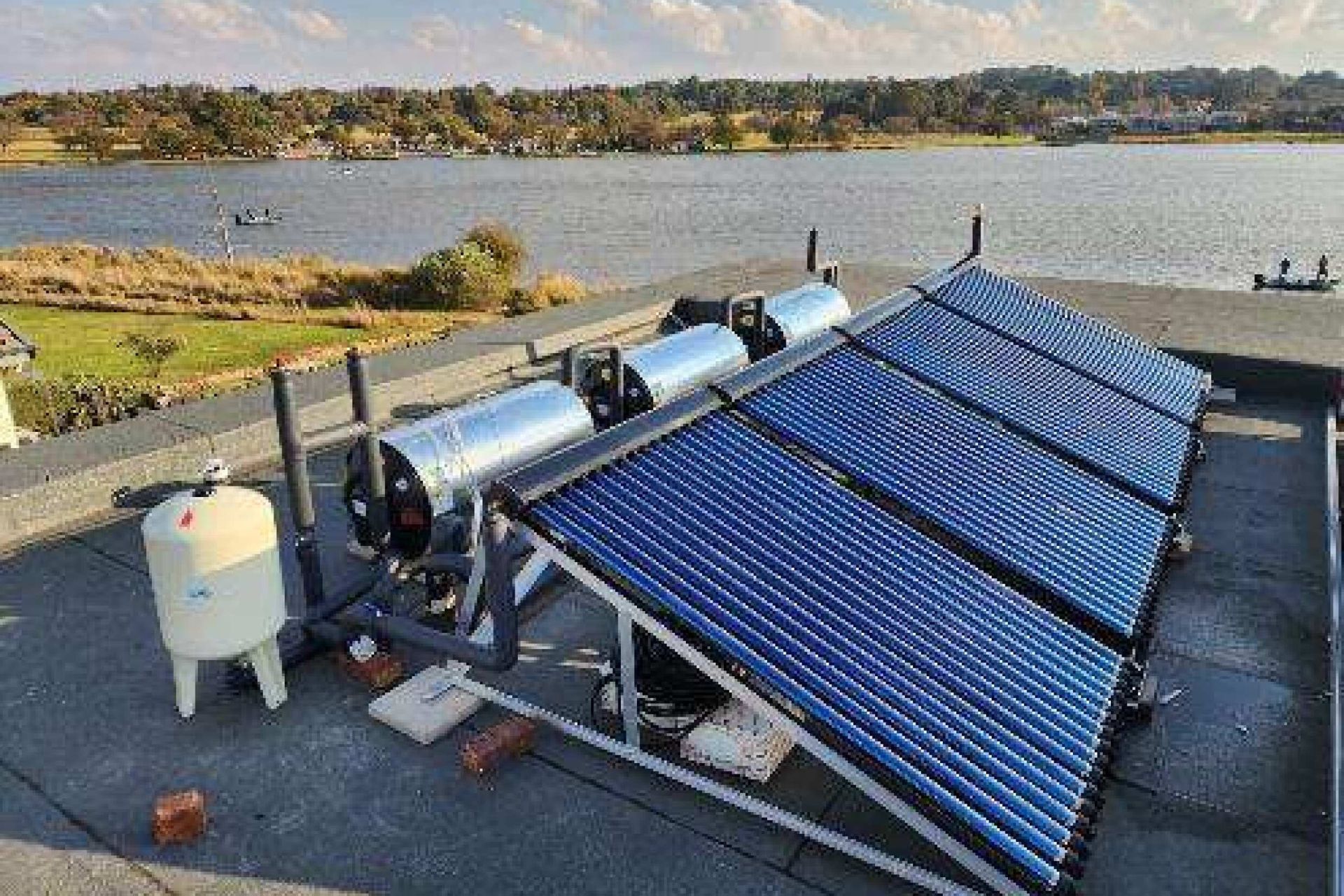
a. Use the sun’s energy to heat water
b. Saves Energy
c. Not reliant on electricity
d. Backup element in some models
e. Double water volume, compared to standard geyser, needed to increase savings
f. Maintenance is needed due to multiple working and heating components
Heat pump and Geyser Combo Installation
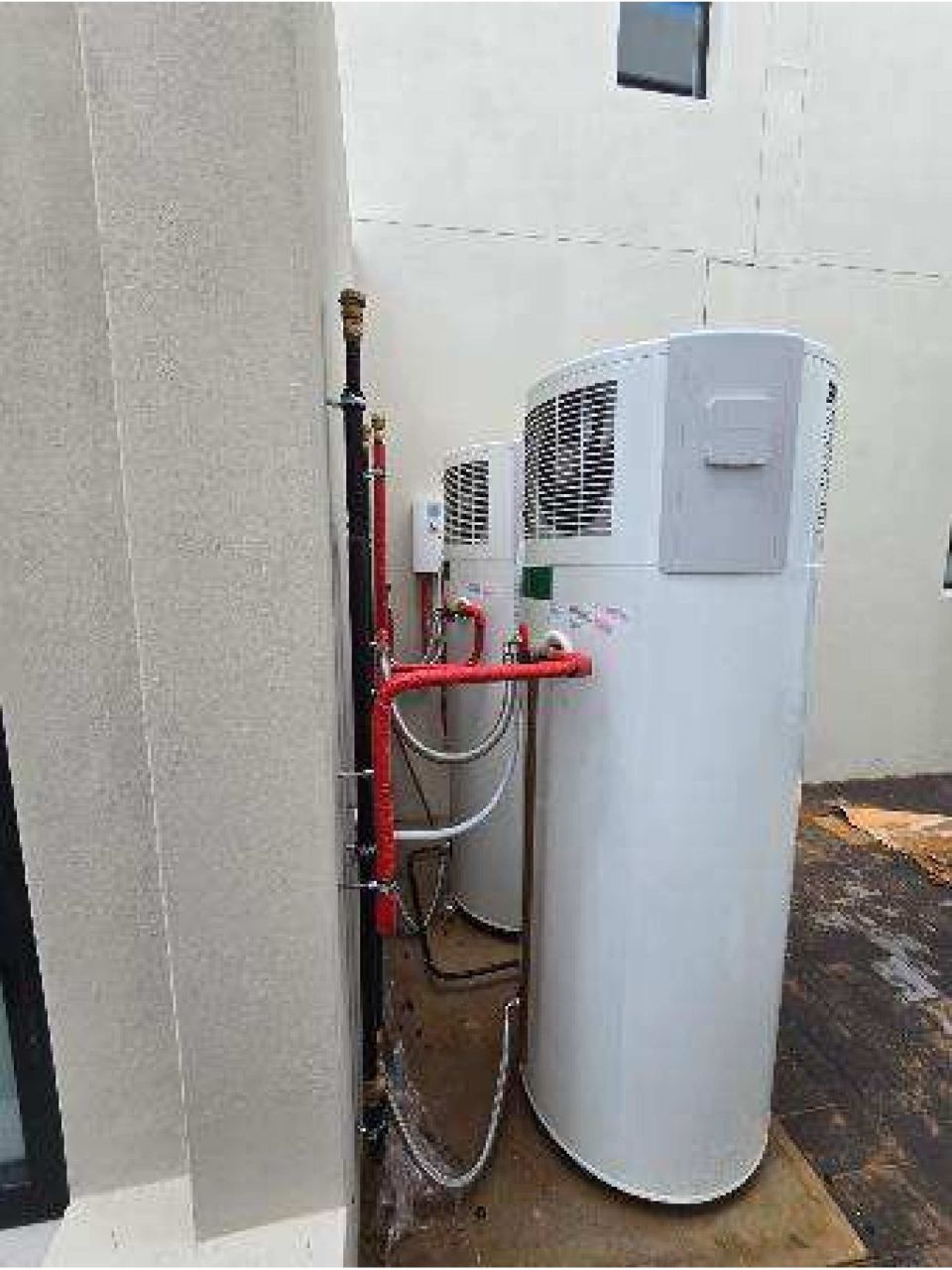
a. Efficient
b. Solar PV Compatible geyser
c. Small element backup
d. Long term savings with enough volume
e. Quiet operation due to acoustic separation
f. Easy maintenance due installed on ground level or slabs
g. Requires electricity or Solar backup to function
Instantaneous Geyser Installation
a. Immediate hot water on demand
b. Installation is quick and easy
c. High power consumption, only on demand – 7kw 40 Amp breaker
d. High efficiency
e. Low water pressure
f. Has some limitations
Advantages of Professional Installation
- Ensures compliance with local building codes.
- Reduces the risk of leaks or malfunctions.
- Provides expert advice on the best water heater options.
Water Heater Repairs
Water heater repairs involve diagnosing and fixing issues with existing water heater systems. Regular maintenance and timely repairs can extend the lifespan of the unit and ensure consistent hot water supply.
Common Issues
1. No Hot Water:
- Cause: Faulty heating element, broken thermostat, or tripped circuit breaker.
2. Inadequate Hot Water:
- Cause: Sediment buildup in the tank, incorrect thermostat setting, or undersized unit.
3. Water Leaks:
- Cause: Loose connections, corroded tank, or faulty pressure relief valve.
4. Strange Noises:
- Cause: Sediment buildup causing popping or rumbling sounds.
5. Discolored or Smelly Water:
- Cause: Corrosion inside the tank or bacterial growth.
Benefits of Professional Repair Services
- Quick and accurate diagnosis of problems.
- Prevents small issues from becoming major, costly repairs.
- Ensures safety, especially with gas-powered water heaters.
Pipes – Mepla and HDPE
Over time, plumbing pipes can experience wear and tear due to various factors such as age, corrosion, and external pressure. If not addressed promptly, these issues can lead to water leaks, low water pressure, or even major damage to your property.
Geberit Mepla pipes
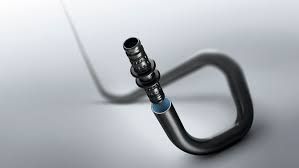
- MEPLA (Multi-Layered Polyethylene-Aluminium)
- Durable: Corrosion and chemical resistant
- Flexible: easy to bend allowing for quick and efficient installation
- Strength and Stability: Can withstand high pressure and high temperatures
- Can be used for Hot and Cold water
- Safe for drinking water, non-toxic
- 100% recyclable
HDPE Pipes:
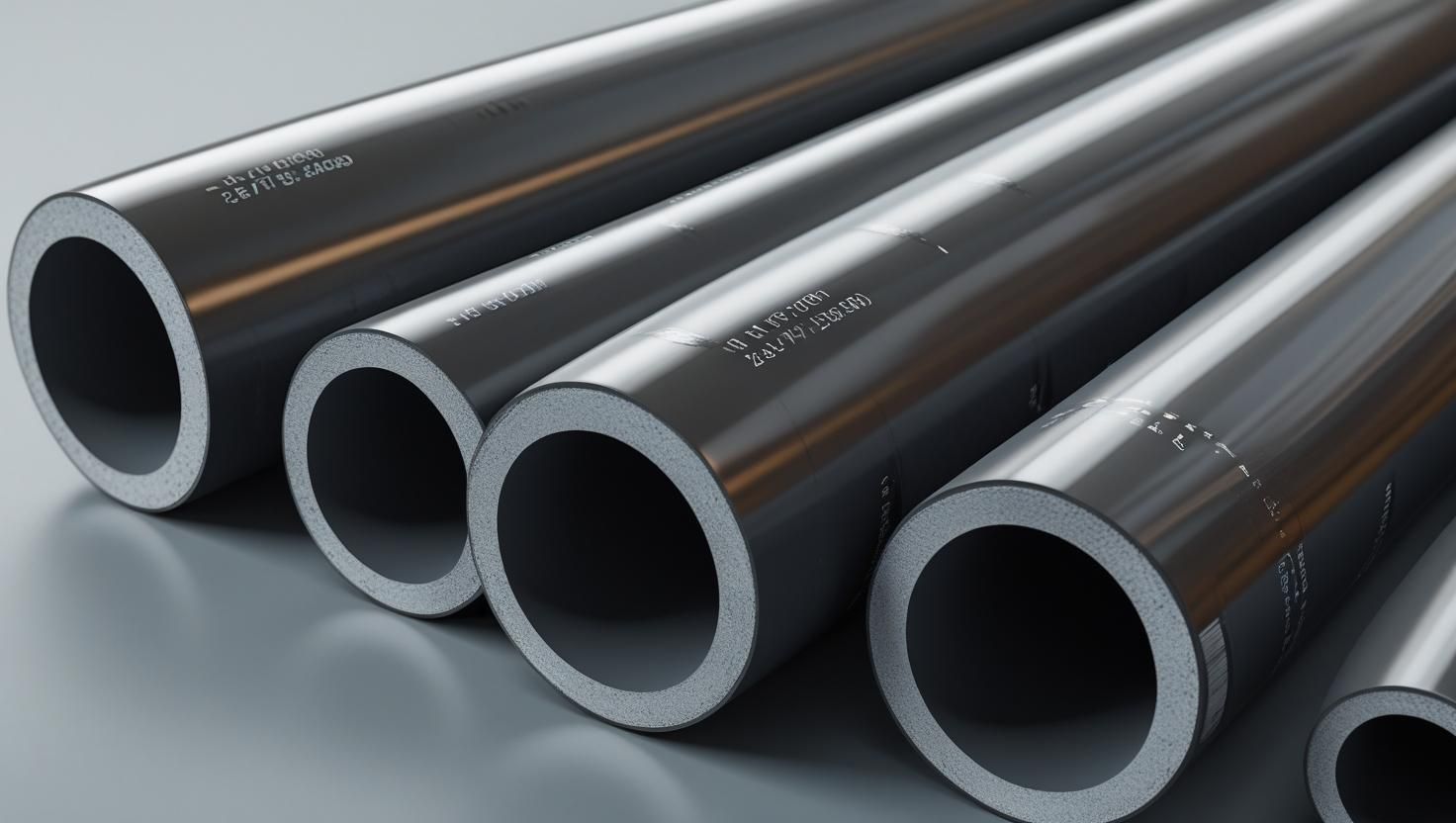
- HDPE (High-Density Polyethylene)
- Durable: Crack, corrosion and chemical resistance. Does not rust or degrade
- Flexible: Can handle ground movement, suitable for trenchless installations
- Leak free joints: heat fusion creates a seamless leak free system
- Lightweight: reduces costs, faster more efficient installation
- 100% recyclable
Mepla vs. Copper: Key differences at a glance
| Feature | Mepla Pipe | Copper Pipe |
|---|---|---|
| Flexibility | Flexible – fewer fittings needed | Rigid – requires elbows for changes in direction |
| Installation | Quick and easy with press-fit systems | More time-consuming – usually requires soldering |
| Corrosion Resistance | Excellent – resists rust and scaling | Good – but may corrode in acidic water |
| Heat Retention | Great – retains heat longer | Loses heat faster due to metal conductivity |
| Noise Reduction | Quiet – absorbs water flow noise | Can transmit water hammer or vibration |
| UV Resistance | Not UV resistant – must be protected from sunlight | UV resistant – suitable for exposed areas |
| Fire Resistance | Limited | Excellent – non-combustible |
Mepla is our preferred and recommended material to all clients.
Construction Plumbing
A plumbing system is essentially a network of pipes that transport water into and out of a building. It's a critical component of any structure, ensuring clean water supply and efficient wastewater disposal.
Key Components of a Plumbing System
Water Supply System
Main Water Supply Pipe: This pipe brings water into your home from the municipal water supply.
Distribution Pipes: These pipes branch off the main supply to deliver water to various fixtures like sinks, toilets, and showers.
Fixtures: These are the devices that use water, such as faucets, toilets, and showerheads.
Drainage System
Drainpipes: These pipes carry wastewater away from fixtures to the main sewer line.
Sewer Line: This pipe connects your home's drainage system to the municipal sewer system.
Vent Pipes: These pipes allow sewer gases to escape, preventing sewer backups and maintaining proper water flow.
Types of Plumbing Systems
Water Supply Systems
Cold Water Supply: Provides cold water to fixtures.
Hot Water Supply: Provides hot water to fixtures, typically heated by a water heater.
Drainage Systems
Sanitary Sewer System: Removes wastewater from toilets, sinks, and other fixtures.
Storm Sewer System: Removes rainwater and other surface water.
HDPE Electrofusion, Butt welding and Premanufacturing
HDPE Electrofusion Welding
Electrofusion welding is a method of joining HDPE pipes and fittings using electrical energy to generate heat. The process involves a specialized fitting with embedded heating elements. When current is applied, the fitting and pipe surface melt, creating a strong and durable joint as they cool and solidify together.
Advantages of Electrofusion Welding
Strong Joints: Electrofusion creates robust, leak-proof connections ideal for high-pressure systems.
Flexibility: Can be used in tight spaces or difficult-to-access areas where traditional welding may not be feasible.
Automation: Many electrofusion machines are automated, reducing human error and ensuring consistent weld quality.
Minimal Disruption: The process causes minimal disruption to the surrounding environment, making it suitable for sensitive installations.
Title or Question
Describe the item or answer the question so that site visitors who are interested get more information. You can emphasize this text with bullets, italics or bold, and add links.
HDPE Butt Welding
Butt welding is a method of joining HDPE pipes by heating the pipe ends and pressing them together to form a continuous joint. This technique is widely used in both large and small diameter pipes.
Advantages of Butt Welding
Cost-Effective: Butt welding requires fewer fittings, reducing material costs.
Durable Joints: Produces seamless, homogenous joints that are as strong as the original pipe.
Versatility: Suitable for a wide range of pipe sizes and thicknesses.
Environmental Benefits: Creates no waste material, making it an environmentally friendly option.
Choosing Between Electrofusion and Butt Welding
The choice between electrofusion and butt welding depends on the specific requirements of the project:
Electrofusion: Best for smaller diameters, tight spaces, or where precise control is needed.
Butt Welding: Ideal for larger diameter pipes, long runs, and when cost-efficiency is a priority.
HDPE Electrofusion Welding
Premanufacturing refers to the process of fabricating HDPE pipe segments and fittings off-site in a controlled environment before they are transported to the installation site. This ensures higher quality control and can reduce on-site labor.
Process
Design: Detailed designs are created based on the specific requirements of the project.
Fabrication: Pipes and fittings are cut, shaped, and welded in a factory setting using precision equipment.
Quality Control: Each piece undergoes rigorous testing to ensure it meets industry standards.
Transportation: The premanufactured components are then transported to the site for installation.
Advantages
Enhanced quality control.
Reduced installation time and labor costs on-site.
Minimizes the need for complex equipment and skilled labor at the installation site.
Applications
Large construction projects requiring precise and complex piping systems.
Environments where on-site welding may be challenging.
Projects with tight deadlines where time efficiency is crucial.